Q&A with Florence Pouya
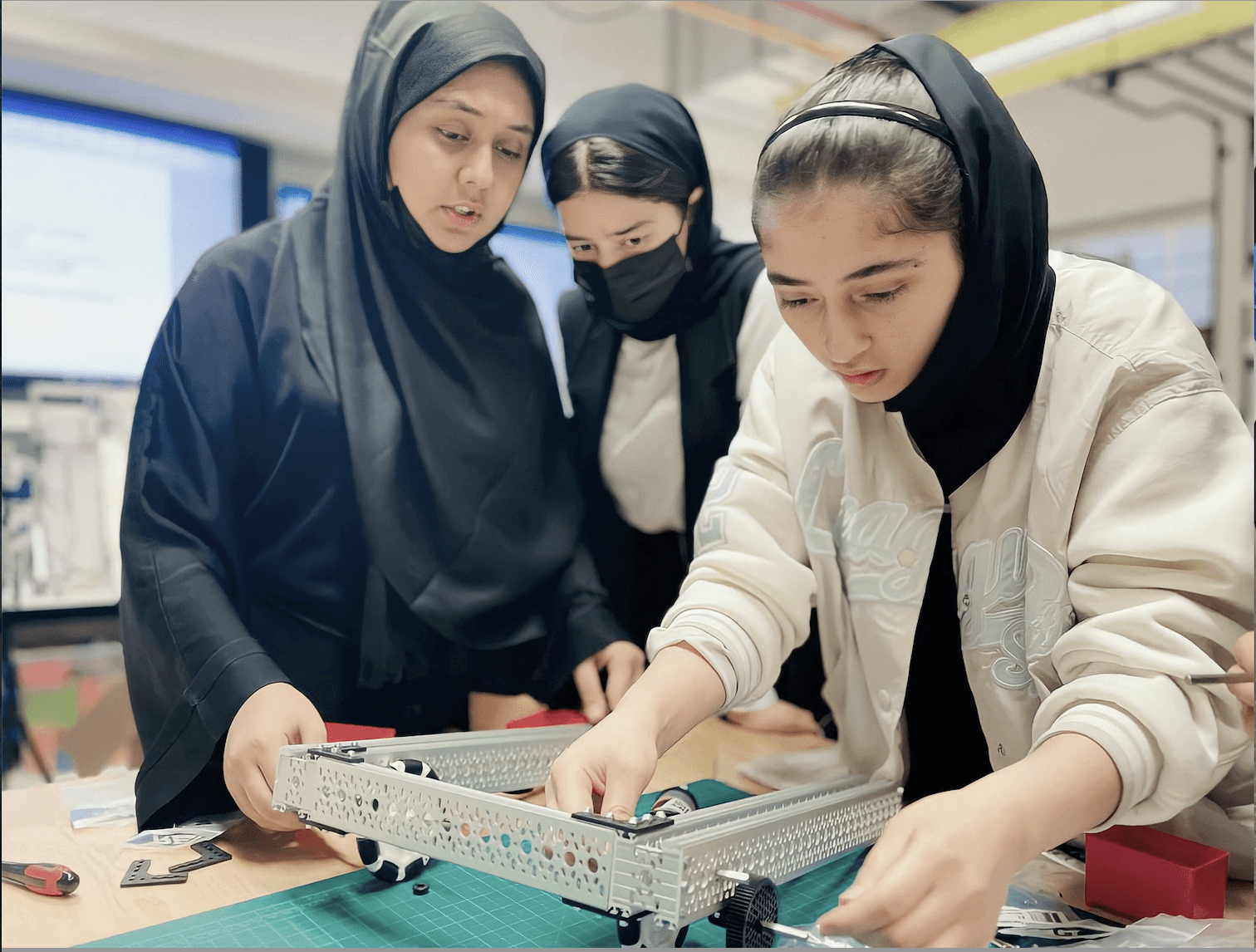
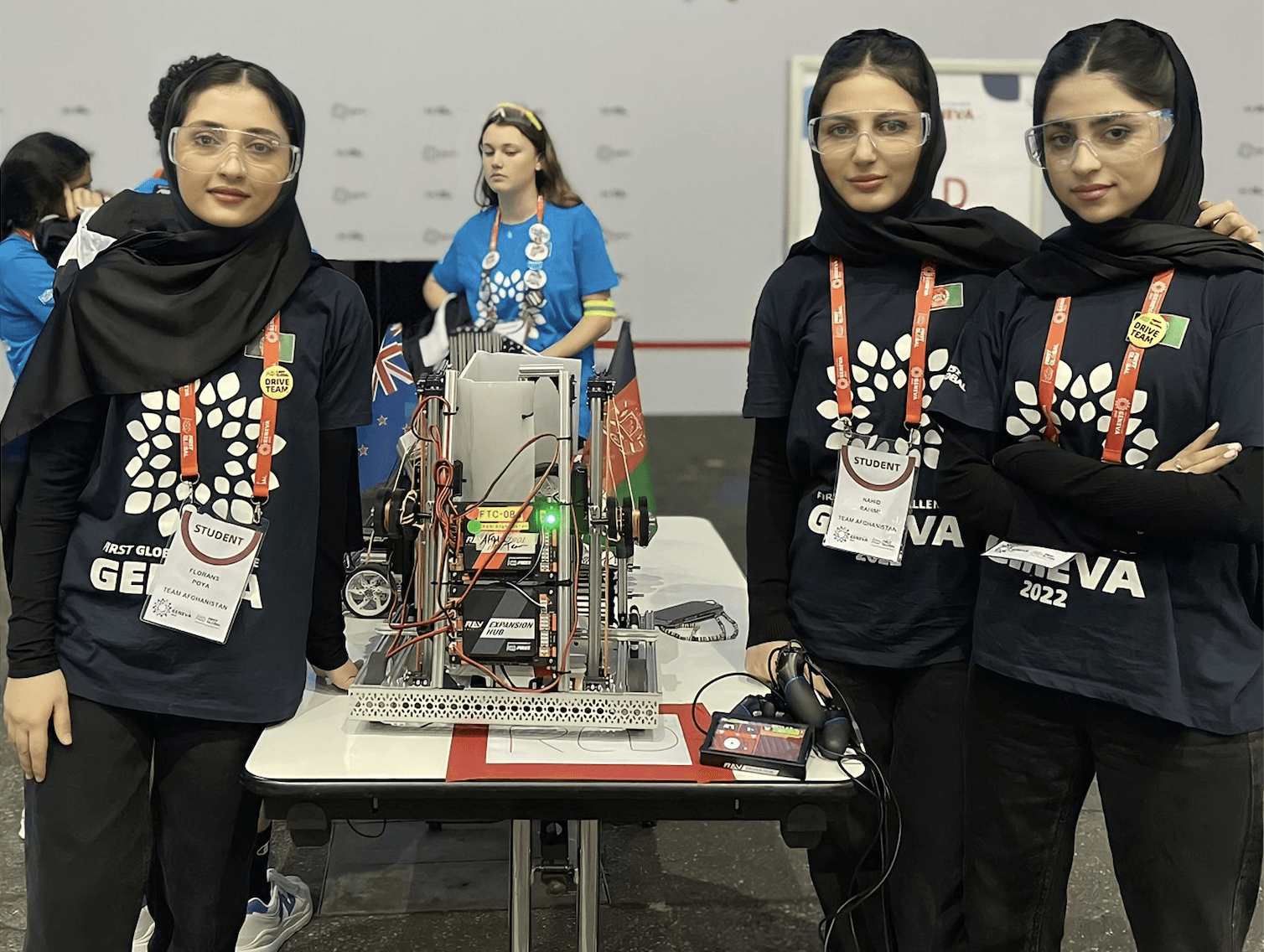
Florence Pouya is the Former Captain of the Afghanistan Robotics Team, Human Rights Activist and Aerospace Engineering Student at MIT. 1. Can you share your background and explain how you first became involved with the Afghan Dreamers? What motivated you to join this initiative? My journey with the Afghan Dreamers began with profound admiration for their groundbreaking achievements. When I first learned about the Afghan Girl’s Robotics Team—an unprecedented initiative as the first robotics team in Afghanistan striving to make its mark on the global stage—I was deeply inspired. At that time, I was just beginning middle school, and the team’s mission resonated with me on a personal level. Driven by this inspiration, I pursued an opportunity to join the team by participating in the following year’s entrance examinations. After a rigorous selection process involving three national exams, I was honored to be selected as a member of the Afghanistan National Robotics Team at the age of 12. Since January 2018, my involvement has been a transformative experience. Joining the team was not only a milestone in my academic and personal development but also a chance to contribute to an initiative that embodies innovation and resilience. I vividly recall the excitement and enthusiasm I felt as I embarked on this journey, working on robotics projects and engaging in international competitions and exhibitions.
Background
4. In what ways has your experience with the Afghan Girls Robotics team shaped your studies and career goals in college? Graduating high school at the age of 15 in Afghanistan provided me with early opportunities for reflection on my future career. During this period, I faced a pivotal choice between pursuing a career in medicine, as my family had envisioned and I had already passed the Kabul University medicine school entrance exam, and following my own passion for engineering. My involvement with the Afghan Girls Robotics Team played a crucial role in clarifying my path. Throughout my high school years and subsequent gap period, my commitment to robotics and technology deepened. Engaging with the team allowed me to hone my skills and explore my interest in engineering further. This experience solidified my aspiration to contribute to aerospace engineering—a field that has long captivated me. My enduring fascination with space exploration, once a distant dream of placing the Afghan flag on Mars, has now evolved into a concrete career goal. The challenges I’ve faced and the opportunities I’ve embraced have strengthened my resolve to make a significant impact in aerospace engineering. The experiences and lessons from my time with the robotics team continue to drive my dedication to this field, shaping both my studies and career ambitions.
afghanistan fall
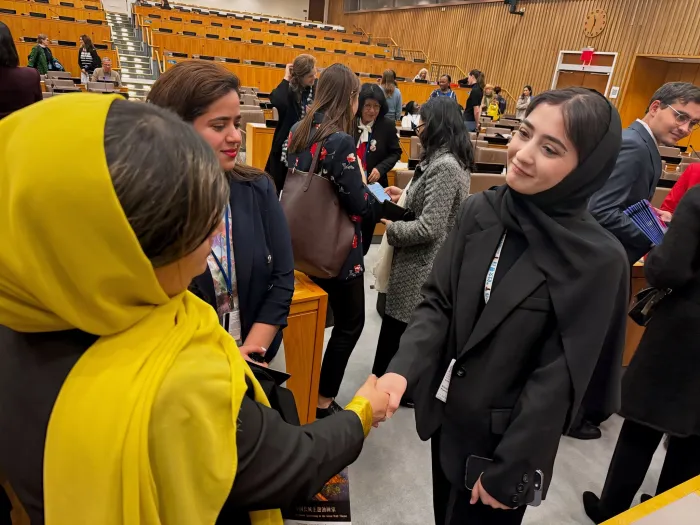
6. How do you envision using your education and experiences in the US to contribute to the future of Afghanistan? I am honored and excited to begin my studies in Aeronautics and Astronautics Engineering at the Massachusetts Institute of Technology (MIT) this fall, marking a significant milestone in achieving one of my major dreams. My goal extends beyond personal achievement; I am committed to becoming the first Afghan female astronaut to pave the way for other girls who aspire to similar dreams. In Afghanistan, women face severe restrictions on their fundamental rights, including access to education, employment or even walking alone outside their houses. However, I am confident that these conditions will not persist indefinitely. I envision a future where the global community recognizes the immense potential and talent of Afghan women. By leveraging my education and experiences in the U.S., I aim to demonstrate the value and impact of providing Afghan girls with educational opportunities. My journey is not just about breaking barriers for myself but also about advocating for the rights and empowerment of Afghan women. I am determined to use my achievements to inspire and facilitate change, proving that Afghan girls can contribute significantly to the global stage.
transition
transition
transition